


you're not stuck. you're just standing still.
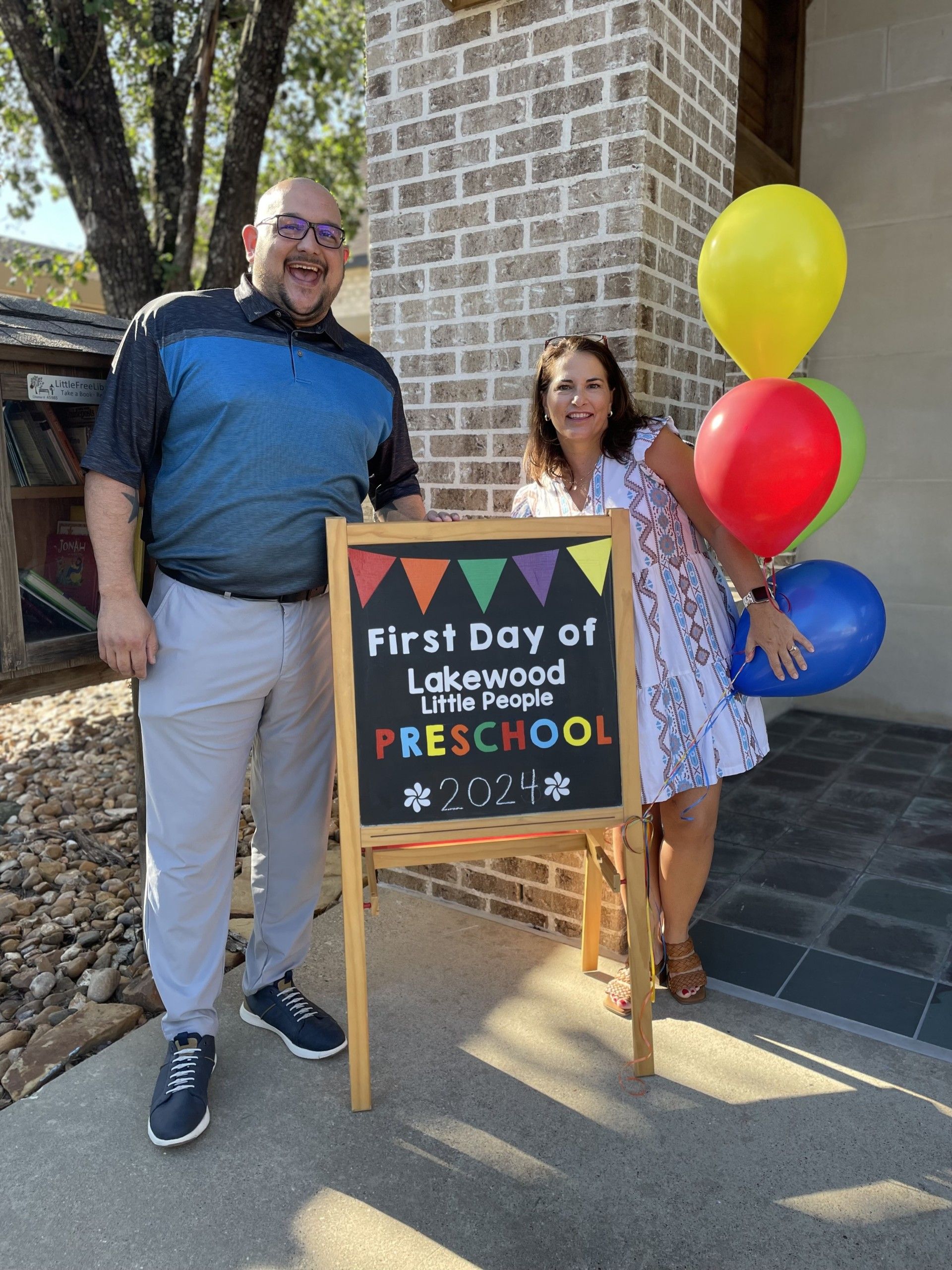
my favorite time of the year!

Over the course of my career as a preschool director, I gave hundreds of tours to parents that were searching for the best program for their child. All of them asked great questions about security, health practices, and daily schedules. The most asked question though, was always about what curriculum we used. In all my years, I can’t remember anyone asking me directly about the climate of our school. I like to think that is because they could feel the climate as soon as they entered the building. And, while curriculum is important, what every parent really wants to know is, “What is it like here?” I guess this is true for most parents, but the first 5 years of parenting were incredibly challenging and transformative for me. I struggled to find my footing and feel like a ‘good’ mom. What I have discovered is that 90% of the parents I encounter are having a similar experience. They ask questions about curriculum because that is the lingo. That is the question on the list on the parenting forums. Curriculum is a safe topic to discuss with other parents without risking vulnerability. What parents really want is a place where they, and their children, feel safe and loved. I suspect that these are the questions parents really want to ask: “Am I being judged as a parent on whether my child is wearing a designer outfit?” “Is there grace for me if I make a mistake, such as forgetting the extra diapers?” “How will I be treated if my child misbehaves?” “Will the other parents like me?” “Will the teachers like me? “Will they like my child?” “Will my child feel accepted?” “How will I be treated if my child struggles?” “Will my child be loved?” How would you describe the climate of your classroom or program? Is it warm, accepting, and loving? Or is there an undercurrent of gossip and mistrust? I was interviewing for a job once and the principal was sitting in front of a large window that overlooked a busy hallway. I was mesmerized by the smiles on the teachers’ and children’s faces. I could hear laughter. I could feel the warmth and regard the staff had for one another and the love they had for their students. After 5 minutes, I knew I wanted that job more than anything in the world. I wanted to be at that school with my whole heart. Instinctively, I knew my life would be better if I could spend my days in a place like that. I never forgot that experience and as a director I put an incredible amount of thought, time, effort, and prayer into recreating a similar climate. A school with a good climate looks like smiling teachers, children, and parents. It sounds like laughter and kind voices. It feels good. The bright smiles and kind voices feel authentic. You can’t fake it. And here’s the secret, a good climate is conducive to good teaching. Teachers who feel safe, respected, and cared for put their hearts into their work and give their best. They are the lead learners, always interested in growing in their craft and bringing innovation to their classrooms. So, how can a prospective parent assess the climate of a school? 1. Always take a tour! 2. Ask about teacher turnover and average years of experience. 3. Are the children actively engaged in learning activities? 4. Notice how the teachers react to the director entering their classrooms. Do they tense up and seem nervous? 5. How do the teachers respond to you? Are they warm and welcoming or do they seem overwhelmed or bothered? What do you think? What experiences have you had? Do you agree or disagree?

A fresh perspective on a common struggle

How to Find the Magic in Your Work When Going Back Feels Hard

From 'Meh' to Marvel: Reigniting Your Passion for Teaching